What Is Inbound Marketing?
There are two ways to reach a buyer: push or pull. You can push your product and message out to as many people as possible, or you can build something worth their attention and pull them toward you. Marketers call these two approaches outbound and inbound.
Inbound marketing creates content that draws your audience in. Instead of interrupting people, you earn their attention with material they actually want. Outbound covers the formats most of us grew up with: TV spots, billboards, radio, and the ads that run before a video. Those formats now face real headwinds.
- Ad costs keep climbing. Online ads are cheaper than TV, but the bids rise every year.
- People resist advertising. Banner blindness is real, and ad blockers ship built into many browsers and phones.
- Buyers trust peers over brands. One critical review from a respected voice outweighs a large ad budget.
- Influencer promotion has lost some of its edge. Audiences recognize paid placements and discount the message.
- Over-advertising backfires. An unskippable ad on repeat annoys more buyers than it converts.
Inbound sidesteps most of this. You pull buyers in with useful content, so they arrive with less resistance and more intent.
SaaS inbound marketing rests on four pillars:
- Your website, the hub everything points back to.
- Third-party platforms where you publish: blogs, YouTube, podcast apps, and developer communities.
- Search engines, where SEO turns your content into discoverable answers.
- Social platforms like LinkedIn, X, Instagram, and the niche communities your buyers use.
RELATED: SaaS Inbound Marketing
6 SaaS Inbound Marketing Tips
SaaS marketing has no one-size-fits-all formula. The vertical demands tactics tuned to each product, buyer, and revenue goal. Inbound is a core piece of that work: it pulls buyers toward your product through content, search, social, and community. The market is crowded, so your company has to stand out. Here are six factors to weigh when you build a complete inbound strategy for a SaaS business.
RELATED: Link Building 101: The Essential Guide to Boosting Your SEO
1. Position Yourself as an Authority
Content earns authority. Publish original, forward-looking articles that frame your brand as a group of practitioners who know the work. Build pieces from interviews with subject-matter experts and operators in your space. Share the proprietary knowledge your audience can only get from you.
Put your leaders on stage. Encourage them to join panels, podcasts, and conferences where they can demonstrate expertise in public. Tell specific stories about how your product solved a hard problem, with concrete detail and titles built around the questions your buyers search for.
2. Get Smart About Distribution
In 1996, Bill Gates published an essay titled "Content is King." He wrote that content is where much of the real money would be made on the internet, just as it was in broadcasting. That prediction held. But distribution is what makes content pay off. Content nobody reads, shares, or acts on is wasted effort.
Build a real distribution plan. Use the right channels, communities, and syndication platforms to put your content in front of buyers where they already spend time, alongside sources they already trust.
RELATED: What Are Pillow Links
3. Make Dry Content Come to Life
Format shapes engagement. To lift time on page, page views, and on-site interaction for a software product, use formats that hold attention: video, animation, infographics, flowcharts, how-to guides, and product demos. A memorable format makes a complex product easier to grasp and harder to forget.
4. Make Co-Marketing Your Secret Weapon
Many SaaS buyers already commit to a platform. Co-marketing with the leaders of those platforms gets you in front of an audience that already trusts them. If your product integrates with a major cloud or CRM platform, interview one of their leaders and publish a piece on market trends. Co-host a webinar to extend your combined reach. Share logos on a partner page.
Find non-competitors who serve a similar market and co-publish research, a white paper, or an ebook. Borrow each other's audiences, contact lists, and expertise. This approach works well across software companies.
RELATED: How Can I Do SEO for My Website?
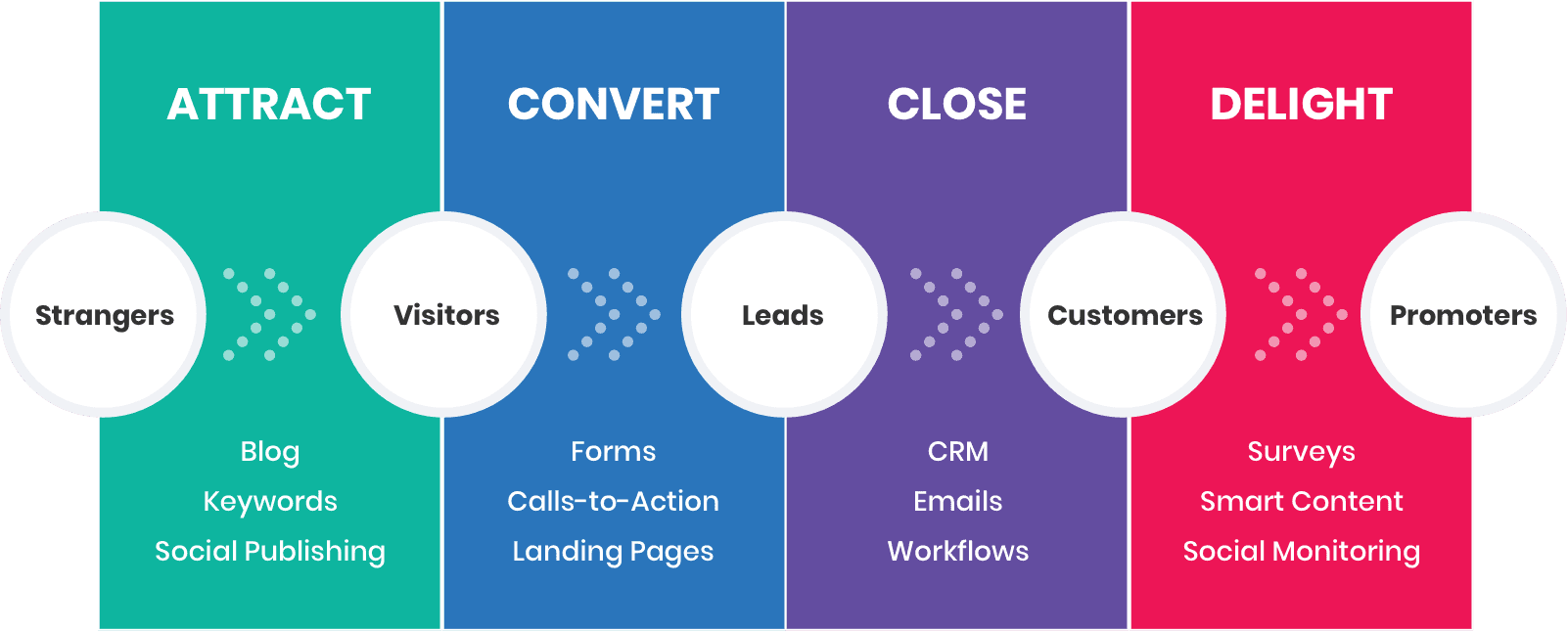
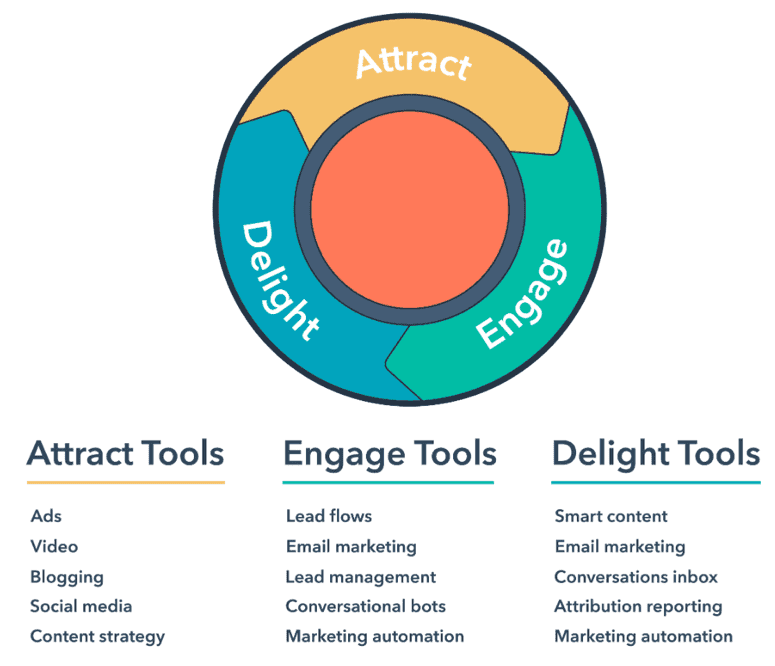
5. Segment and Automate Your Sales Funnel
C-level executives often own the decision on SaaS purchases. They may delegate evaluation, but the message that reaches them has to earn its place in a full inbox. Send only material that helps them clear their biggest decision hurdle.
So segment carefully. Sort lists and automate outreach by pain point, industry, product-capability need, lifecycle stage, decision timeline, and platform interest. A message that misses the prospect's actual need is a wasted shot, and it costs more with executives buried in email. Relevance and personalization carry the day.
Use marketing automation tools such as HubSpot, Marketing Cloud Account Engagement (formerly Pardot), or Marketo to run email at this level of detail. With that segmentation in place, your sales team can build a qualified-lead list that drives growth.
RELATED: Best SEO Tips for Investment Sector in Canada
6. Use Nontraditional Social Channels
When people picture social media marketing, the big consumer networks come to mind first. Those platforms rarely fit SaaS buyers. The interactions that benefit software companies often happen elsewhere, in the communities where technical buyers ask real questions.
Show up in the channels your buyers actually use: Reddit, Stack Overflow, Spiceworks, Hacker News, and the vendor and industry forums where your category gets discussed. SaaS inbound is about using content and expertise to solve buyer problems. Position yourself where help is needed, and bring credible voices in your space along to widen your reach.
Like every marketing effort, this one runs on measurement. Track clear KPIs, test, and optimize. In technology markets, watching competitive signals and adjusting fast is what lifts ROI on your marketing spend. Done well, these tactics shorten the long SaaS sales cycle and guide smart buyers toward the right partner.
In Summary
Inbound marketing for SaaS, software, IT, and tech firms comes down to three things: create content your buyers want, find the right ways to distribute it, and optimize it for conversion across the buyer journey. Get those right and you build a durable, compounding source of leads. The lever that makes it work is consistency, in both quality and volume.