Yes. Salesforce sends automated emails. You build an email template, add a trigger in Flow, and Salesforce sends the message the moment a record meets your criteria: a lead comes in, a case closes, an opportunity goes quiet.
This guide walks through every path to email automation in Salesforce: email templates, merge fields, Flow email alerts, scheduled reminders, and the point where marketing at scale should move to Marketing Cloud Account Engagement.
Key Takeaways
- Salesforce sends automated emails natively with email templates, merge fields, and Flow email alerts. No third party tool is required.
- Build new automation in Flow. Salesforce ended support for Workflow Rules and Process Builder on December 31, 2025.
- Scheduled flows handle automated email reminders for renewals, follow ups, and overdue tasks.
- For high volume campaigns, Marketing Cloud Account Engagement (formerly Pardot) runs B2B nurture and drip programs.
- Deliverability is part of the job: authenticate your domain with SPF, DKIM, and DMARC before you scale sends.

RELATED: What is Salesforce Used For?
Salesforce Email Templates
If you want the ability to create and send personalized, customized emails without having someone manually input all of the information into each message, then yes!
You can set up an email template in Salesforce and have it sent out automatically when triggered by certain events or criteria.
This is just one way that using salesforce as your email marketing tool can be beneficial for your business.
Salesforce uses tools like templates and automation in Flow to help marketers stay on top of campaigns across the organization while keeping the personal touch in their content. This helps companies provide strong customer service through high engagement with prospects already familiar with company messaging, and better conversion from organizations new to them.
Salespeople grow their sales with automated email campaigns, and the automation runs without manual effort once it is set up.
Salesforce helps marketers and sales reps create a personalized experience for prospects and customers, nurture them through every stage in the funnel, and provide support during the purchase cycle.
RELATED: Salesforce Marketing Cloud: Features & Pricing
Merge Fields Feature In Salesforce
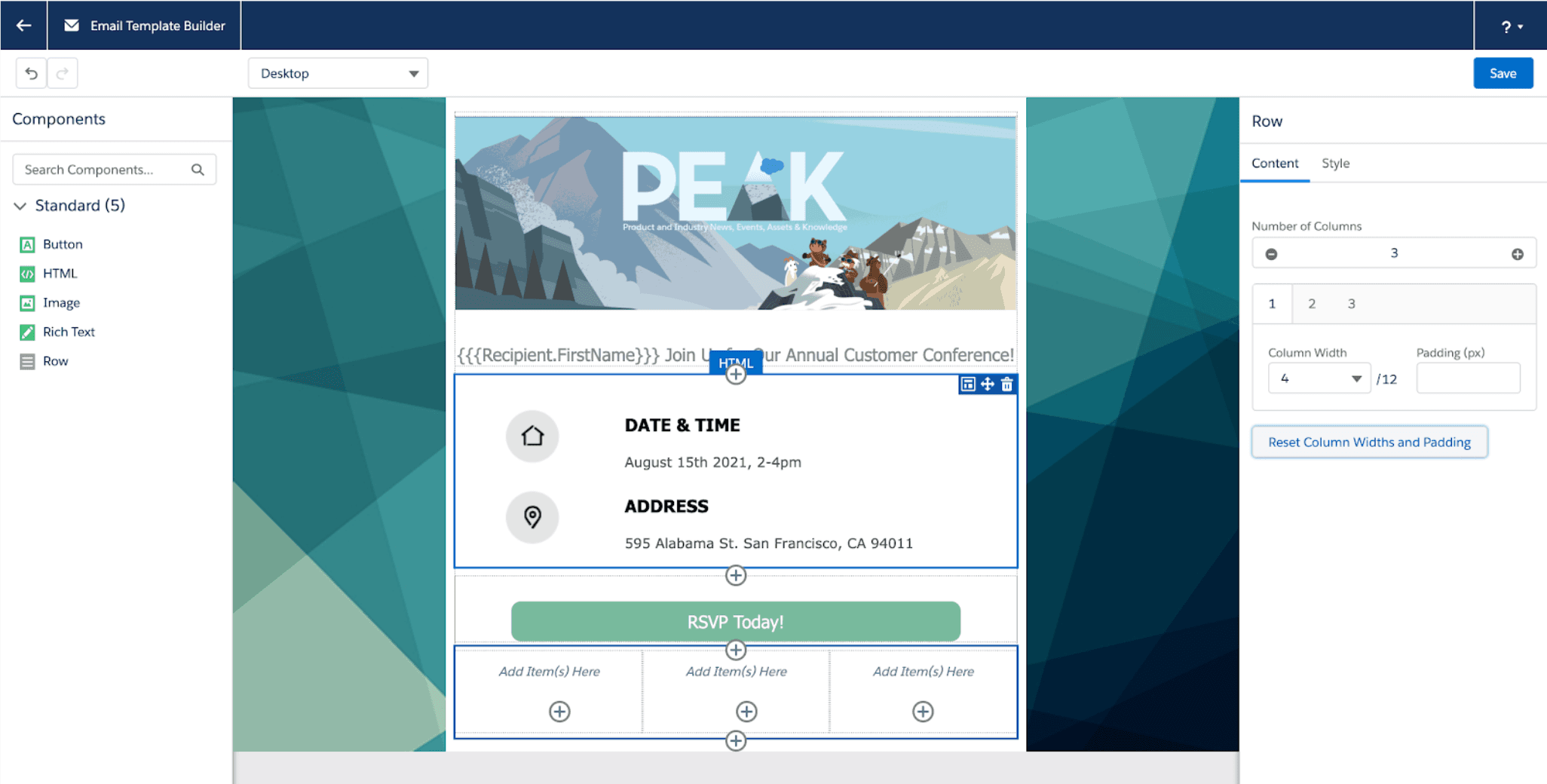
The Merge Fields feature in Salesforce is a powerful tool that can be used to create customized email templates. You can merge fields with static text like your company logo or with dynamic data from any object you have access to, such as the name field of an account record. So let's say there are two different versions of this blog post - one for sales reps and another for marketing managers - you could use this template-building feature to design each version specifically without having to copy and paste between them.
You can use the date/time field in Salesforce to enter an event's start time, end time, or both. This is useful when you want to schedule a task for a certain day at a specific hour. For automated emails, say every Monday morning your sales team needs their quota reports. You set up an email with these dates and times inserted automatically, so it sends out on Mondays without extra work on your part.
The Merge Fields feature in Salesforce is a powerful tool that will allow you to create customized email templates based on different versions like sales reps, territories, or even custom fields you've created. For example, let's say that every sales rep has a different quota of accounts to call on each day - maybe they have 20 for the first day and 30 for the second. You can set up the email template in Salesforce to automatically fill in this information by using merge field values pulled from your account executive object.
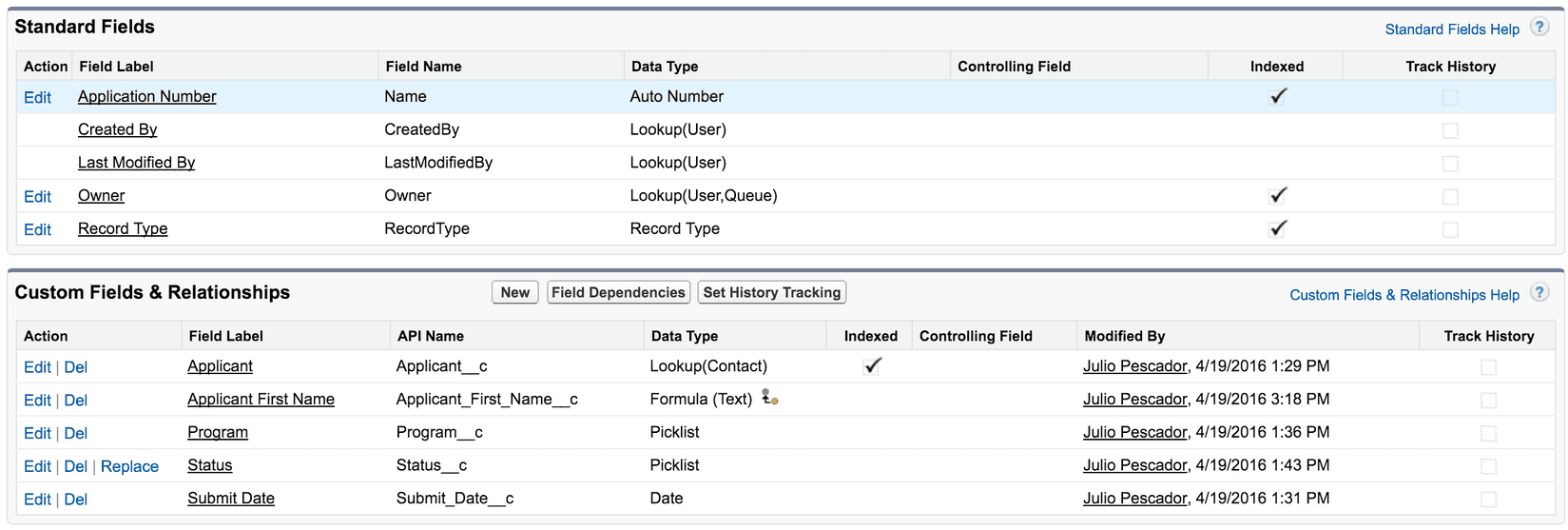
- The Merge Fields feature will allow you to create customized email templates based on different versions like sales reps, territories, or even custom fields you've created
- Use merge field values pulled from your Account Executive Object (from within a specific time frame) as triggers for personalized emails to be sent out at scheduled intervals, such as on the first day of every week
- Create email templates to be sent at scheduled intervals (i.e., on the first day of every week) and then create new sales reps, territories, or custom fields as triggers that will activate those emails with appropriate merge field values
- The idea is you can send a generic template out once but also have customized versions for different groups like account executives
- For example: "Hello Doug" may get replaced by "Hello Doug from Detroit."
Steps:
- In Lightning Experience, open the App Launcher, go to Email Templates, and click New Email Template
- Name the template and pick the folder it belongs to; this creates an empty email template
- Click and drag new email fields in the template to make the text boxes, like City
- Drag merge fields over from the drop-down menu; this inserts their values into emails where they are needed
- Continue adding more templates until you have all of your automated messages ready. Note: if there will be different versions for people or customers with disparate needs, add a "Variation" field on that same page so that when you schedule then send an email, it can pull up the appropriate version automatically! (This is optional)
- Salesforce won't let you set artificial triggers or fake sales rep activity, so automation stays accurate. You'll need to create real records for each triggered email
- Use the content editing tool to add text, links, images and video. Try creating a "Thank You" email for people who buy your products!
RELATED: Salesforce NPSP: Features & Pricing
Flow Email Alerts: Email Automation in Salesforce
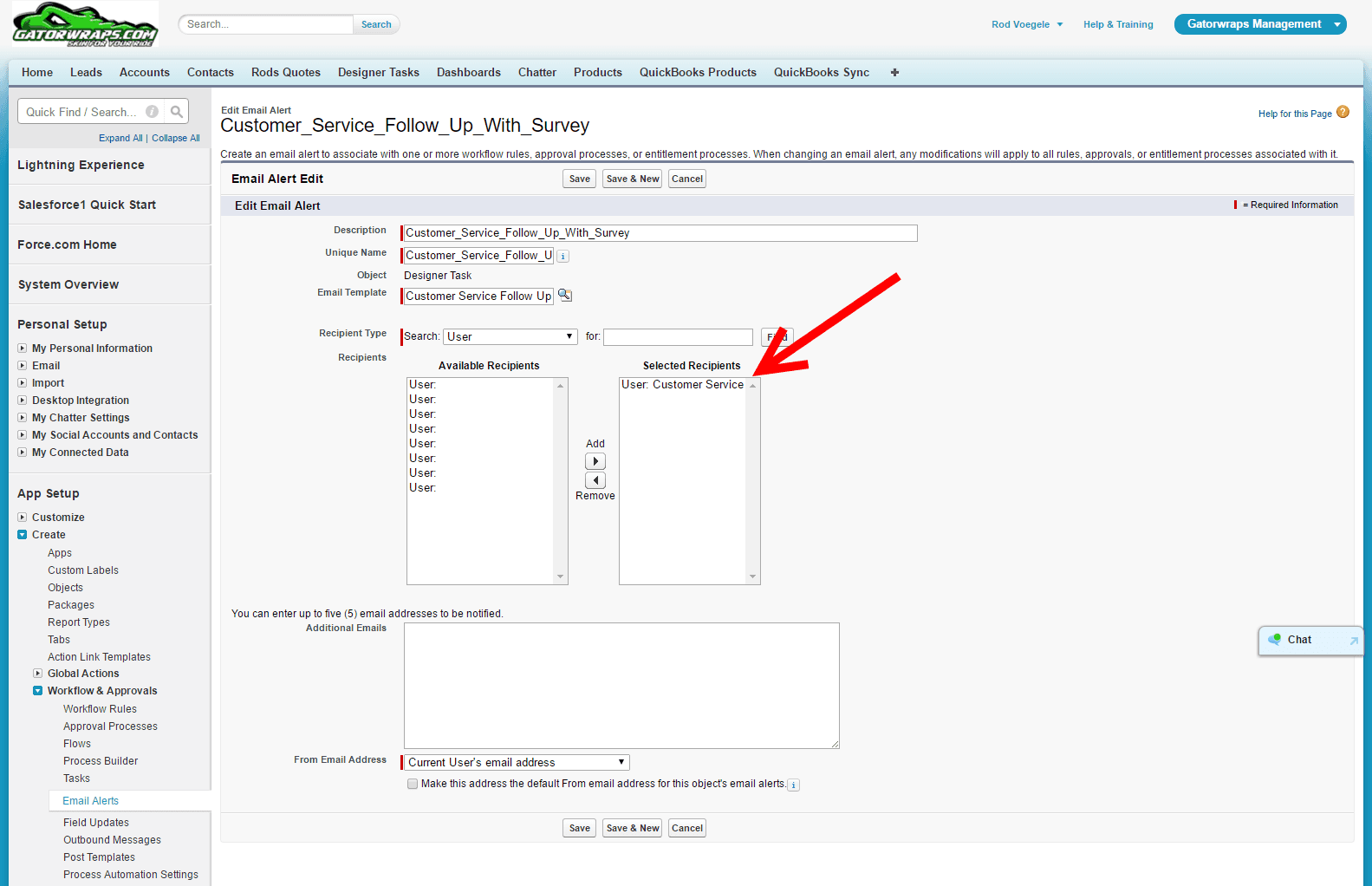
Salesforce automation has consolidated on Flow. Salesforce retired the older Workflow Rules and Process Builder (support ended December 31, 2025), so build new automation in Flow. A flow sends an email automatically when criteria are met: a new case is created, an opportunity reaches a stage, a record is updated. Scheduling automated emails in Flow is a strong way to automate your sales process and keep on top of tasks throughout the day.
RELATED: Salesforce Costs & Pricing Plans
Send Emails Automatically in Salesforce
Salesforce has a built-in email tool that sends emails automatically based on templates. It handles the formatting, sending and tracking all for you! You can set up specific triggers or create one template to send out whenever needed. These are great when you want to make sure everyone is informed about something in your business - like sales closing or product updates.
For marketing at scale, that work lives in Marketing Cloud Account Engagement (formerly Pardot), Salesforce's B2B marketing automation platform. It manages what customers receive, which messages they get from you, and how often.
The next step is to create your first email template, which is straightforward if you have experience with sales or marketing.
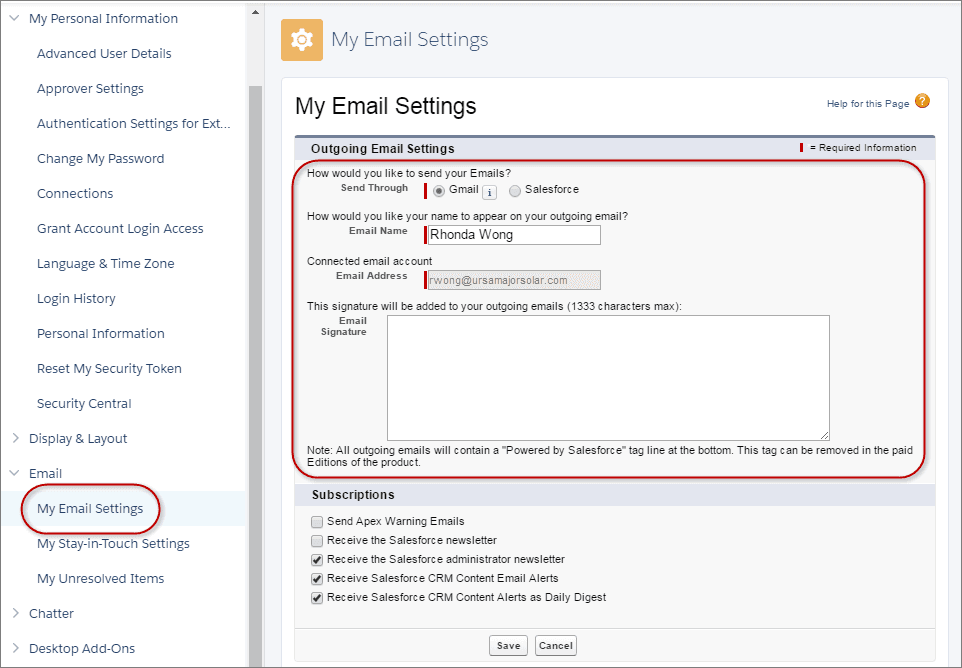
You then enable the template in Salesforce for sending automated emails through Setup > Email Templates. From there, explore the rest of the platform. The more you know about it, the better, so read our other articles on automating outbound communications through Salesforce.
RELATED: Which Salesforce Certification Is Best?
Salesforce Email Automation Tools Compared
Salesforce gives you four ways to automate emails in Salesforce, and picking the right one saves rework later. Match the tool to the job:
| Tool | Best for | Trigger | Scale |
|---|---|---|---|
| Email templates with merge fields | Personalized one to one sends | Manual send or called by automation | Individual records |
| Flow email alerts | Operational notifications: new case, stage change, record update | Record created or updated | Per event |
| Scheduled flows | Reminders and digests on a timetable | Date and time | Batches of records |
| Marketing Cloud Account Engagement | B2B nurture, drip campaigns, lead scoring | Prospect behavior | High volume marketing |
Start with templates and Flow. They ship with the platform, and the automation runs inside your CRM data. Move to Marketing Cloud Account Engagement when campaign volume, segmentation, or reporting outgrows the built in tools.
How to Send Automated Email Reminders in Salesforce
Salesforce automated email reminders run on scheduled flows. Build a flow that starts on a schedule, filters the records that need attention, and sends an email alert for each one.
Three reminder patterns cover most teams:
- Renewal reminders: a daily flow finds contracts closing within 30 days and emails the account owner and the customer contact.
- Follow up reminders: opportunities untouched for 14 days trigger a nudge to the rep, with record details merged in.
- Task and meeting reminders: overdue tasks or upcoming demos send a morning digest so nothing slips.
Set the schedule to daily or weekly, and test with a small record filter before turning the flow loose on the full database. Each reminder lands without a rep touching the keyboard, which is the entire point of email automation with Salesforce.
What Are the Benefits of Salesforce Automated Emails?
The benefits of automated emails are that they can be sent at a specific time, so you don't have to worry about scheduling the email and forgetting it. You're also able to send out an email automatically without having to copy/paste in content every time- which is very helpful if you need to write many messages on different topics.
Automated emails can help increase your sales by reminding customers what items they previously considered buying but didn't purchase or sending them offers for similar products that might make more sense with their current needs. They may even prompt potential buyers during a window of opportunity when they were browsing through product pages!
The cons of automated emails are that they can seem spammy, and some recipients might not take the email as seriously because it's coming from a robot.
If you need to send out many sales messages on various topics, then waiting for an individual message to be written before sending is probably more helpful than having them all sent automatically at different times. Finally, not every person opens their email inbox daily, so if your customer base includes people who only check their account once or twice per week- it could lead to missed opportunities.
Email Reports
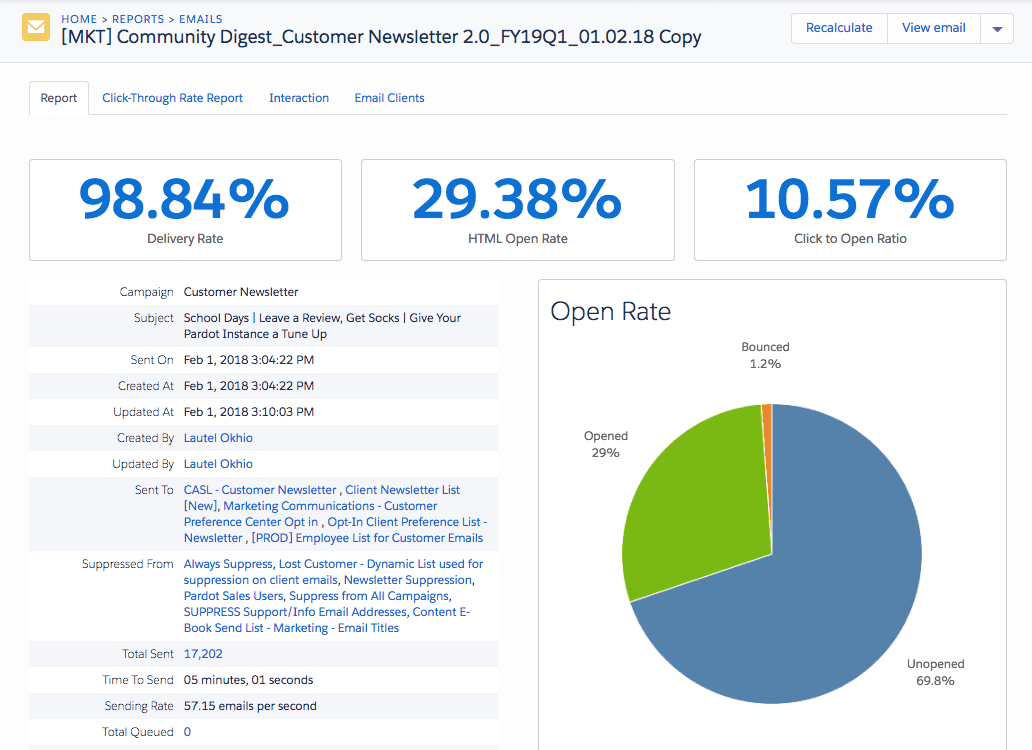
The email reports section is the central hub for all your sales and marketing data. It gives you a quick summary of what happened in any timeframe that you want to view by highlighting performance metrics like unsubscribe rates, open rates, clicks on links within emails, bounces (people who clicked away from an email without opening it), and more.
This report has been updated with specific fields related to automated campaigns:
- Automated campaign opens (percentage) - the average number of people opened each message sent from this campaign;
- Automated Campaign click rate (% ) - the percentage of messages delivered where recipients clicked through to another page or took some action when they received it. This also includes clicking on image attachments or hyperlinks inside the email;
- Automated Campaign unsubscribe rate (%) - the percentage of messages delivered where recipients clicked the "unsubscribe" button or used their email client to do so. This also includes clicking on image attachments or hyperlinks inside the email;
- Automated campaign bounce rate (%) - the percentage of messages that could not be delivered to the recipient's inbox at all.
RELATED: 5 Best CRM Tools for Business Development
How to Achieve Higher Open Rates and Click Through Rates?
Keep the email relevant to your customer. Make sure it includes what they are looking for, and provide them with a solution that will help them find success in their life or business. Try using social media channels like Facebook, X (formerly Twitter), LinkedIn and Instagram as well - these can be great tools for reaching out to customers directly on their preferred platform.
- Offer exclusive content only available through emails, so you have something new to share each time they open up an email from you. This is especially effective if the material offers tips on making money from home by starting a blog or selling items online via Amazon FBA or Etsy!
- Asking recipients personal questions about themselves usually generates more responses than just asking generic ones such as, "What's your opinion?"
- Incentivise people to reply by offering a freebie for every person who fills out the form. This could be an ebook or white paper that they can download from you in exchange for their email address and feedback on what you sent them.
How Do I Prevent Emails From Landing in The Spam Folder?
Emails going to spam?
- Check your email address is not blocked by the recipient's ISP.
- Authenticate your sending domain with SPF, DKIM, and DMARC. Google's email sender guidelines require all three, plus one click unsubscribe and a spam rate under 0.3%, for anyone sending 5,000 or more messages a day to Gmail accounts.
- Provide a clear unsubscribe link in every message. The FTC's CAN-SPAM guide requires you to honor opt out requests within 10 business days, and each violating email risks a penalty of up to $53,088.
- Include personalized subject lines such as "Happy Holidays!" instead of just using generic ones like "Welcome!". This way, people know what content they're about to receive before opening it up!
- Please put something in the subject line that would make them want to open your email.
- Make sure all automated messages are personalized and include a call to action like "Click HERE for more information."